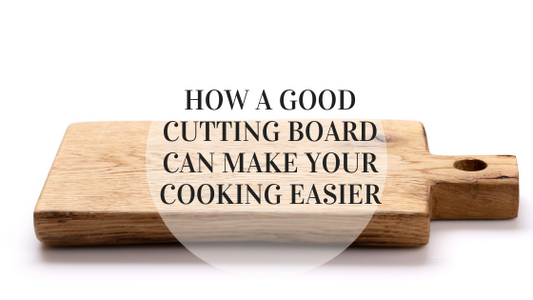
A good wood cutting board is one of the few kitchen tools that actually gets better with age — if you treat it right. Unlike plastic boards that scar permanently under a knife, or bamboo boards that dry out and crack within a year or two, a solid hardwood board can last a decade or longer with about five minutes of care a month. Here's exactly how to keep your Kitchen Board Maniacs maple or walnut board in top shape, from the day it arrives to years down the road.
Why Maple and Walnut Are Built to Last
Every Kitchen Board Maniacs board is made from solid American hardwood — sugar maple or black walnut — not bamboo, and not the glued-up composite you'll find in most big-box stores. Maple is approved by the National Sanitation Foundation (NSF) for commercial kitchen use, which is the same standard restaurants rely on. Both maple and walnut are dense, closed-grain woods, which means they resist the deep knife grooves where bacteria like to hide, and they're naturally non-porous and antimicrobial. That's a real advantage over bamboo, which is technically a grass: it's more brittle, it dulls knives faster, and it's prone to splitting and warping as it dries out.
Our boards also ship already treated with food-grade mineral oil, so your board arrives ready to use straight out of the box. You don't have to season it before the first use — just rinse, dry, and start cooking.
The 60-Second Daily Clean
After each use, wash your board by hand with warm water and a mild dish soap, using a sponge or soft brush. Never put a wood cutting board in the dishwasher — the heat and prolonged soaking will warp the wood and break down the glue line, even in a high-quality board like this one. Rinse thoroughly, then stand the board on its edge or lay it flat on a drying rack so air can reach both sides. A board that dries flat on a wet counter is more likely to cup over time, since one side dries slower than the other.
If you've been cutting raw meat, poultry, or fish, it's worth giving the board a quick wipe with a solution of one tablespoon of white vinegar or a diluted bleach solution (one teaspoon of bleach per quart of water), then rinsing well. This isn't strictly necessary thanks to the wood's natural antimicrobial properties, but it's good practice for food safety, especially with raw proteins.
One of the reasons our boards stay cleaner with less scrubbing is the built-in drip edge — the groove carved around the perimeter that catches juice from meat, fruit, or marinades before it runs onto your counter. Use the flat, groove-free back side of the board for everyday chopping and prep, and flip to the juice-groove side when you're carving a roast, turkey, or watermelon.
Monthly Deep Care: Oiling and Conditioning
Wood dries out over time, especially in a kitchen with a dishwasher, an oven, or forced-air heating running nearby. A dry board is a board that's more likely to crack, so plan to oil yours about once a month (more often in winter, when indoor air is driest).
- Make sure the board is clean and completely dry.
- Apply food-grade mineral oil — never olive oil, vegetable oil, or any oil that can go rancid — with a clean, lint-free cloth.
- Rub it into the grain, covering the whole surface, both sides, and the edges.
- Let it soak in for several hours or overnight, then wipe off any excess with a dry cloth before using the board again.
If your board ever starts to look pale, feel rough, or develop small surface cracks, that's your sign it's overdue for oil — not a sign it's failing. A beeswax-and-mineral-oil conditioning balm, applied every few months on top of regular oiling, adds an extra layer of moisture protection and brings back that rich, glossy look.
What to Avoid
A few habits will shorten the life of any wood board, including ours: soaking it in the sink, running it through the dishwasher, leaving it wet on the counter, storing it flat against a wall where air can't circulate on both sides, or using it directly on a stovetop or near an open flame. Also skip harsh degreasers and anything with bleach stronger than a light sanitizing rinse — they can dry out the wood faster than regular use will.
When to Sand, and When to Call It
Light scratches and knife marks are normal and part of the character of a well-used board — the self-healing nature of dense hardwood means minor marks close up on their own. For deeper gouges or stains, a light hand-sanding with fine-grit sandpaper (220 grit or higher), followed by a fresh coat of mineral oil, will bring the surface back. Every Kitchen Board Maniacs board also comes backed by our 3-month extended warranty and best-quality guarantee, so if something seems off with the wood itself, reach out and we'll make it right.
With just a quick wash after each use and an oiling once a month, a Maple Cutting Board or Walnut Cutting Board from Kitchen Board Maniacs will easily outlast a bamboo or plastic board — and it'll look better doing it. Curious how the two woods compare before you pick one? Read our guide on Maple vs. Walnut Cutting Boards.
FAQ
How often should I oil my wood cutting board?
About once a month for boards in regular use, and a bit more often in winter or in very dry climates. If the wood looks pale or feels dry to the touch, that's a sign it's time, regardless of the calendar.
Can I put my maple or walnut cutting board in the dishwasher?
No. The heat, water pressure, and extended soak time in a dishwasher will warp solid wood and break down the glue seams over time. Always hand-wash and air-dry.
Is it safe to cut raw meat on a wood cutting board?
Yes. Maple and walnut are dense, non-porous, naturally antimicrobial woods, and maple is NSF-approved for commercial kitchen use. Just wash thoroughly after each use, and consider using the back (flat) side for raw proteins and the front (juice-groove) side for carving.
What oil should I use on my cutting board?
Use only food-grade mineral oil, or a beeswax-and-mineral-oil conditioning balm. Avoid olive, vegetable, or other cooking oils, since they can turn rancid and leave an odor in the wood.